
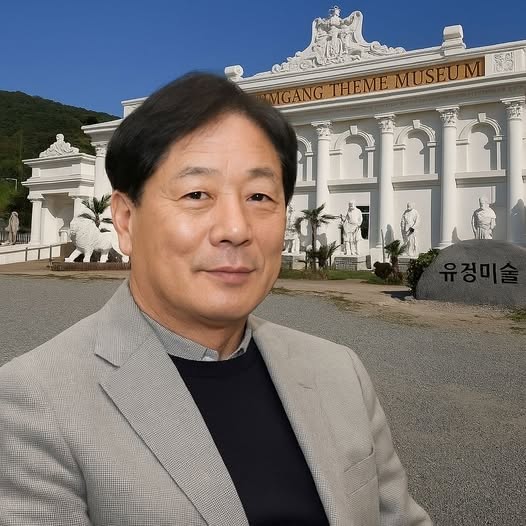

Yu Cheon Eob – From Preserving History and Memory to a Vision of Art Without Borders
Some people collect objects. Others see in every object a story — the story of a person, an era, a culture, and a memory that deserves to be preserved.
The story of Yu Cheon Eob, Director of the Haegeumgang Theme Museum in South Korea, began far from the world of museums. In his early career, he worked as a hotel manager in Changwon. Through his encounters with people from different countries, and gifts he received from colleagues — including model sailing ships — an interest in collecting gradually grew into a lifelong passion.
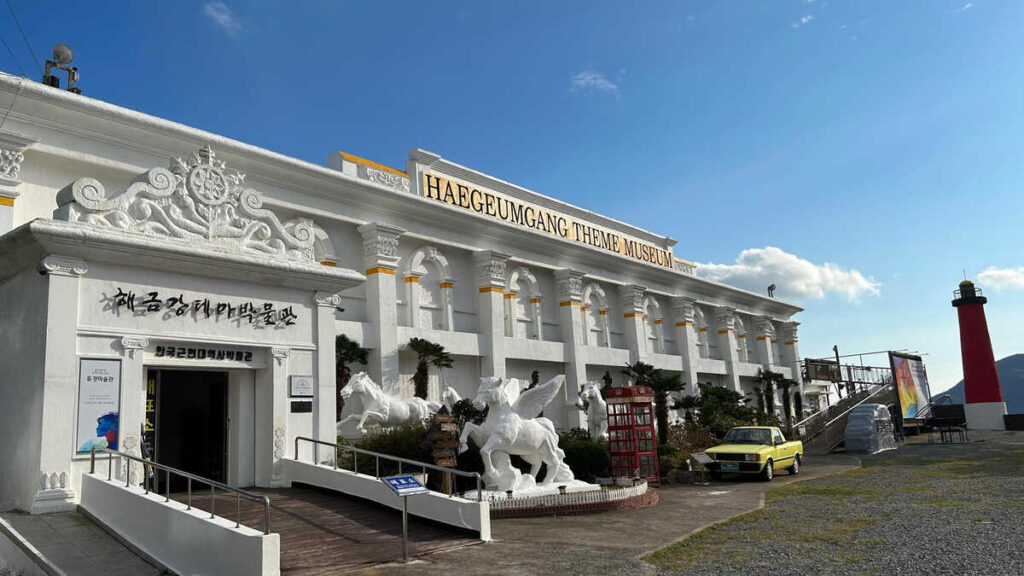
What began as a personal collection developed into a life’s work. Yu started gathering maritime artifacts and objects documenting everyday life in Korea: old radios, posters, schoolbooks, household items, and many other objects that might otherwise have been discarded. To him, even the simplest object carries value, because it preserves a fragment of human experience and the memory of a time that has passed.
In 2005, his vision became a reality. Together with his wife, Kyung Myung Ja, he established the Haegeumgang Theme Museum in a former school building on Geoje Island. The couple chose to give new life to an abandoned place, transforming it into a space dedicated to history, culture, and art.
A Vision Built on a Love of Culture
The Haegeumgang Theme Museum is more than a place where historical objects are displayed. It reflects a broader understanding of culture: the desire to preserve the past, make it accessible to the public, and create encounters between different periods, places, and people.
The museum’s collections include exhibits recreating everyday life in Korea during earlier decades, as well as maritime artifacts, navigation equipment, maps, and ship models. Alongside these collections, the museum developed an extensive artistic program, including the Yukyung Art Museum.
This achievement is also the story of a partnership. Kyung Myung Ja, Yu’s wife and partner in this journey, played an important role in establishing and developing the museum. She became deeply involved in its management and artistic activities. Together, they built a cultural institution through years of dedication and shared commitment.
From a Local Museum to an International Platform
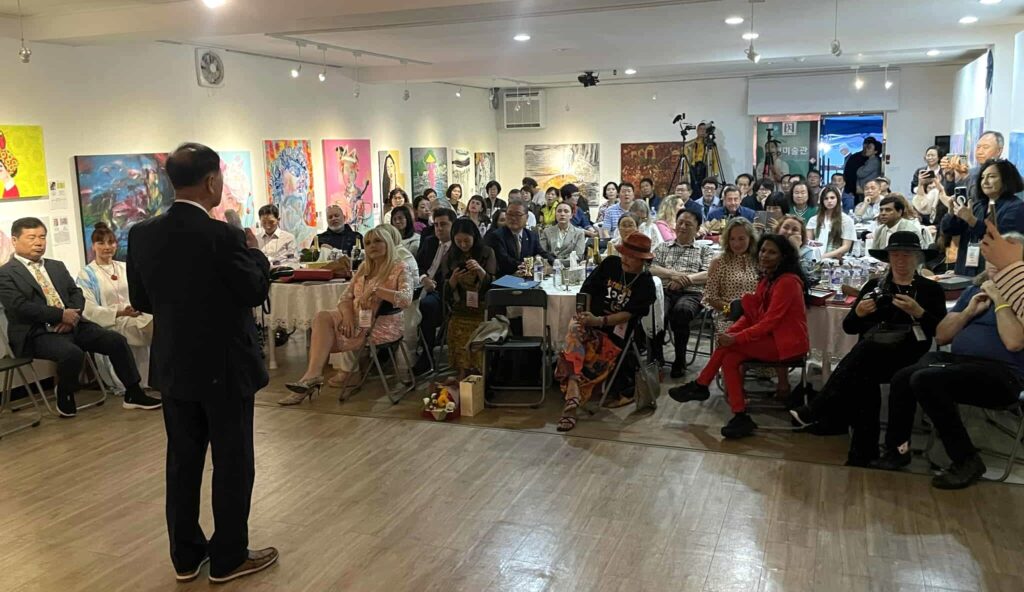
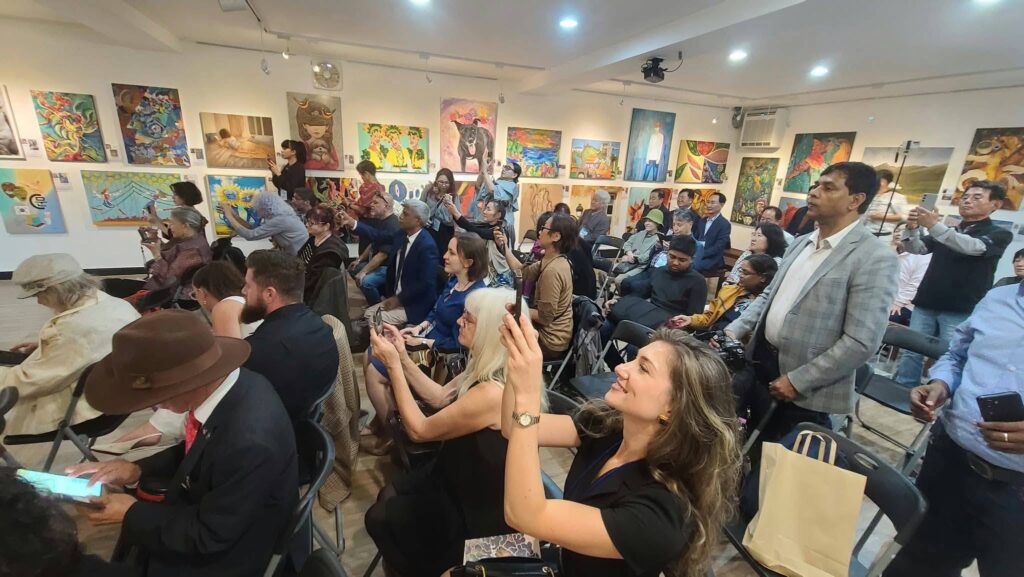
Over the years, the museum’s activities expanded far beyond Korea. One of the most significant expressions of this vision is the Geoje International Art Festival, which has become a meeting place for artists, jurors, and cultural figures from around the world.
In 2026, the festival reached its 12th edition. According to Korean press reports, the event brought together more than 360 artists from 52 countries. Behind these numbers are individual people, creative journeys, and personal stories — each given an opportunity to reach an international audience.
Yu’s vision goes beyond displaying artworks on museum walls. He seeks to create meaningful encounters: giving artists the opportunity to travel to Korea, experience its culture, meet creators from other countries, and discover art as a shared language.
Over the years, artists from more than 100 countries have taken part in activities connected with the festival. Exhibitions, cultural visits, and personal encounters have helped transform the museum into a place where art is not simply displayed, but becomes a bridge between people.
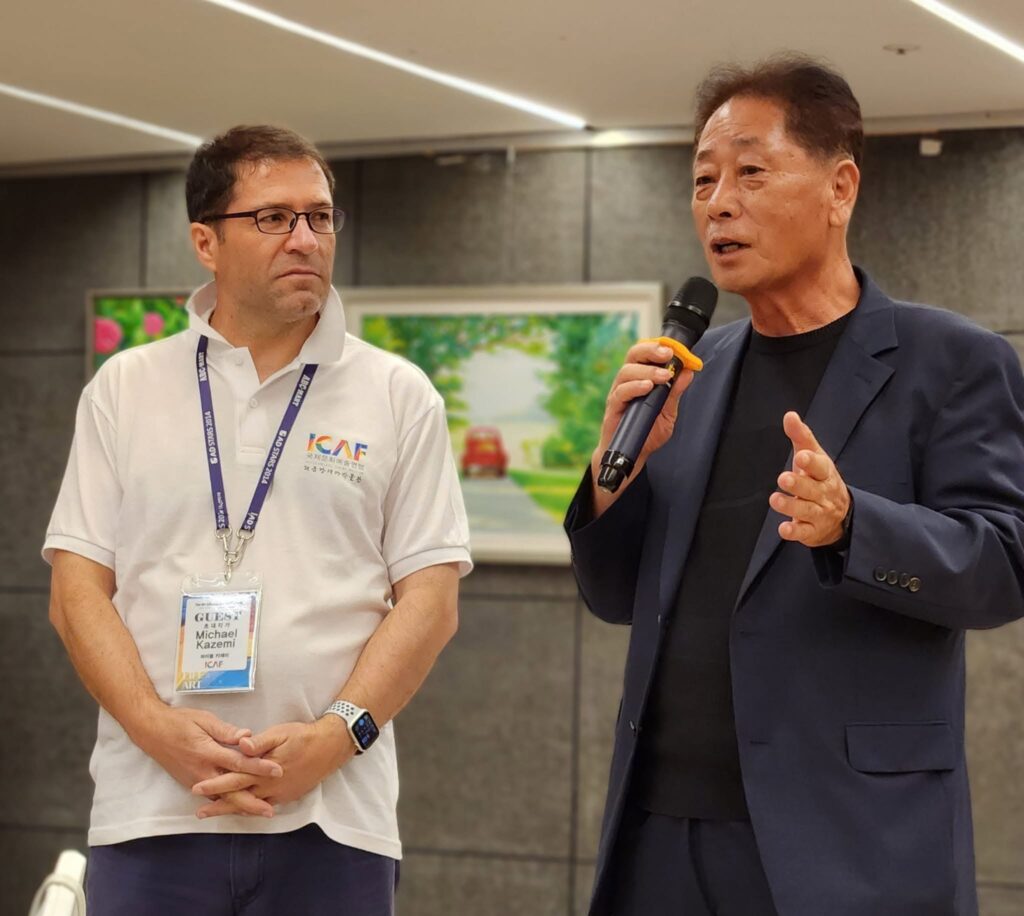
Behind the Vision: Personal Commitment and Dedication
Not everything required to sustain an international cultural project is visible to its visitors. Behind every exhibition are months of planning, coordination, hospitality, logistics, and considerable expenses.
An article published by OhmyNews in October 2026, written by Father Choi Jong-soo, described the personal and financial commitment Yu has made over the years to keep the festival going and welcome artists from around the world. According to the article, he has personally covered a substantial part of the expenses and, at times, taken on debt in order to continue providing artists with a platform and an opportunity to be seen.
This account reveals another dimension of his work: the personal cost behind the determination to maintain an independent cultural institution and keep its doors open to creators from across the globe.
It reminds us that behind many meaningful cultural initiatives are people who invest not only their time and talent, but also their own resources and energy, often without knowing whether their efforts will ever be repaid.
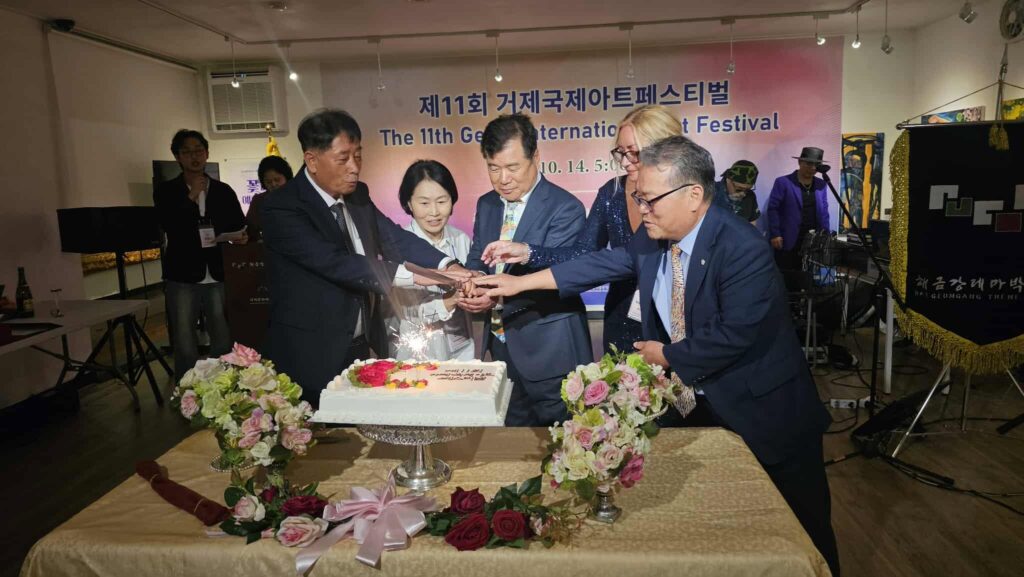
Culture as a Bridge Between Countries and People
Yu Cheon Eob’s activities extend beyond the museum itself. He has also been involved in initiatives promoting cultural and artistic connections between Korea and other countries. Publications about his international work identify him with the leadership of the International Culture and Arts Federation.
In this broader vision, the museum and the festival are part of something greater: the belief that culture can create dialogue where language, distance, and national differences might otherwise divide us.
Art allows people to meet through curiosity, respect, and openness. It offers a common ground on which different cultures can share their stories and discover what connects them.
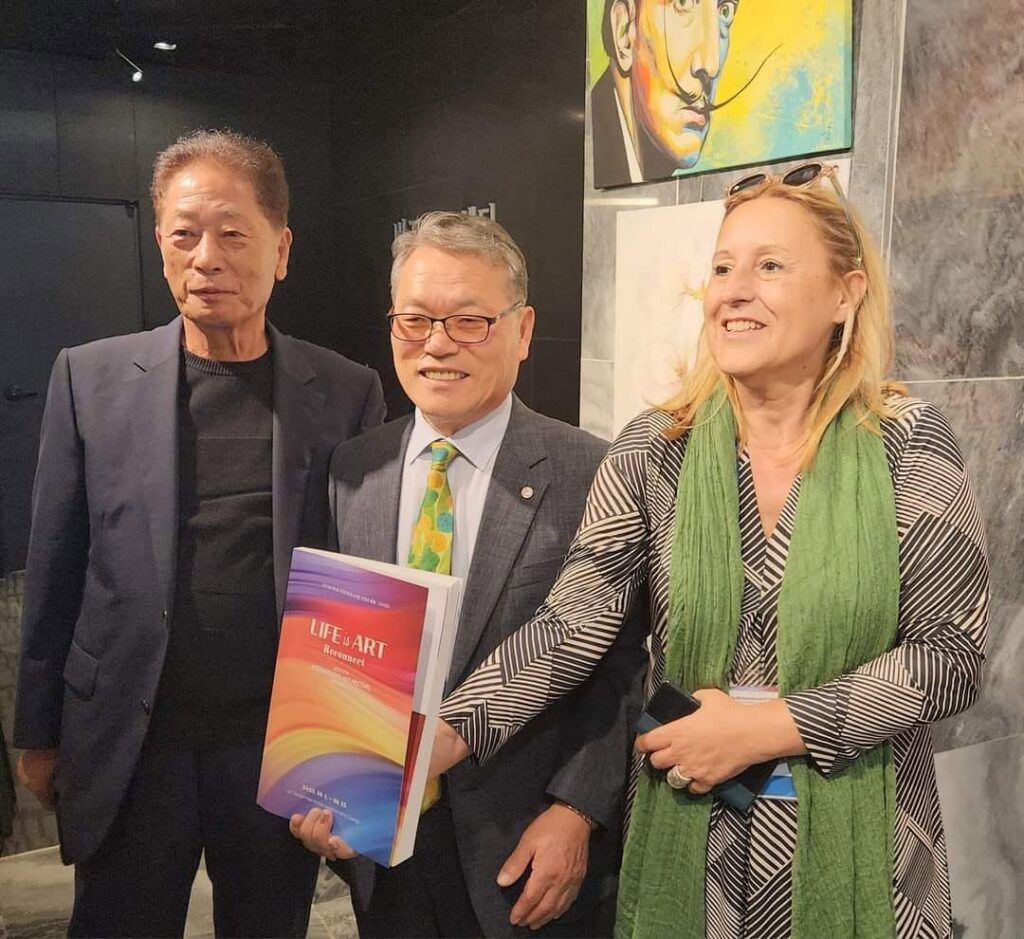
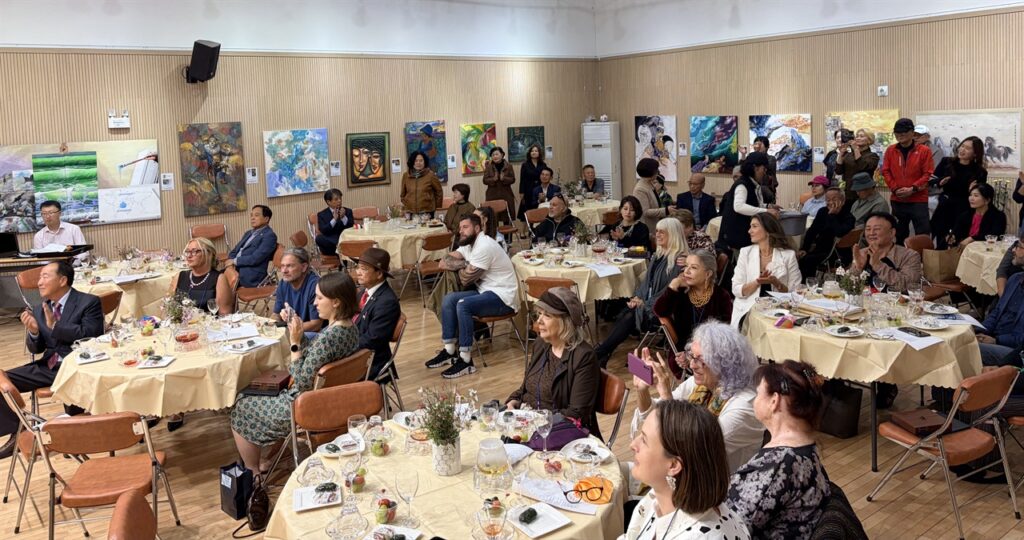
Four Years of Connection – A Personal Perspective from Israel
As Director of the World Virtual Museum, an international art judge representing Israel, and manager of Israel’s art delegation to the Geoje International Art Festival, I have had the privilege of becoming acquainted with Yu’s work over the past four years.
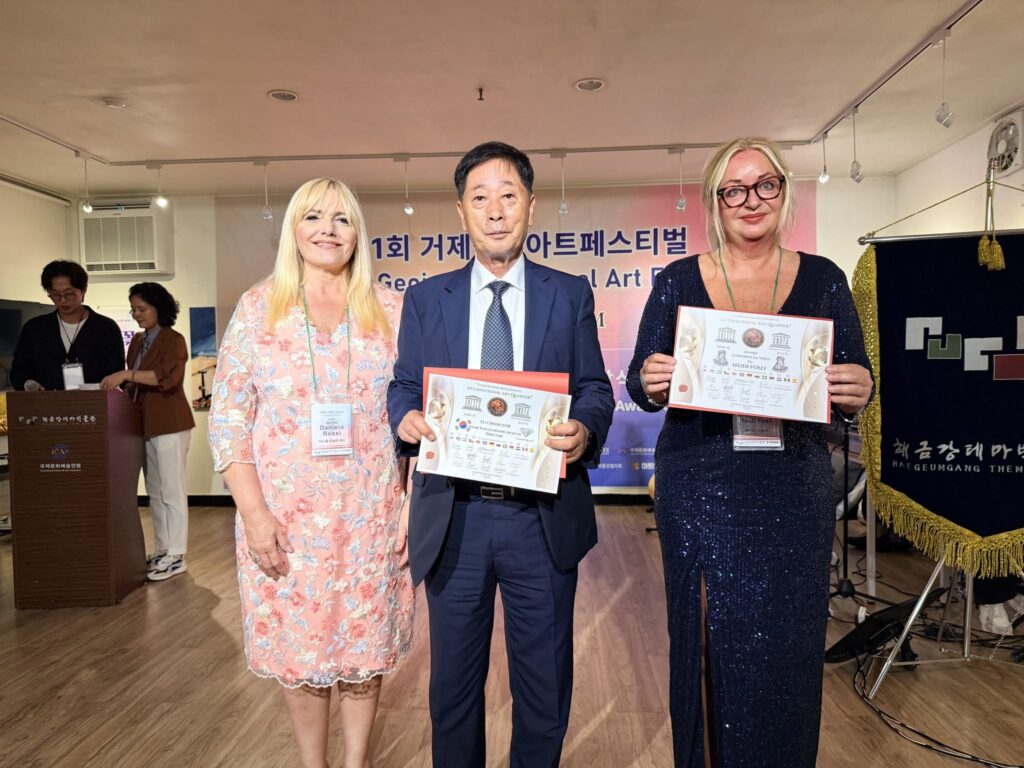
Our collaboration has allowed me to see not only the impressive results of the festival, but also the effort and dedication required to make it happen. Behind every delegation, every artwork, and every certificate of recognition lies a great deal of work, as well as challenges that are not always visible to participants.
As someone who independently manages a cultural institution, I understand the meaning of this kind of commitment. The World Virtual Museum is also sustained through personal investment and dedication, with the aim of giving artists opportunities, visibility, and access to international audiences.
I know what it means to believe in artists, to continue working even when the road is not easy, and to find satisfaction in seeing a creator receive recognition and reach new audiences.
What I particularly appreciate about Yu’s work is his perseverance. For many years, he has continued bringing together artists from different cultures, offering them a place and turning his museum into a welcoming home for an international artistic community.
A Legacy Built Through People
A museum can be measured by the number of its visitors, the size of its collections, or the scale of its building. A festival can be measured by the number of participating countries and artists.
But there is another measure, no less important: the number of people who have been given an opportunity, the connections that have been created, and the stories that have reached the world.
Yu Cheon Eob’s story is that of a man who began by collecting objects in order to preserve memories, and gradually expanded his vision to make room for creativity, artists, and cultures.
The Haegeumgang Theme Museum and the Geoje International Art Festival are expressions of a long journey shaped by perseverance, partnership, and a belief in the power of culture to bring people together.
In a world where borders and disagreements often dominate the headlines, places where people can meet through art have a special value.
Perhaps this is one of Yu Cheon Eob’s most meaningful contributions: not only preserving what once was, but creating opportunities for what is yet to come.

Adi Lasri
Director and Founder, World Virtual Museum
International Art Judge Representing Israel
Manager of Israel’s Art Delegation to the Geoje International Art Festival

LEAVE A REPLY